
African Literature And Genre Fiction
Today, many readers find their next read by genres, already knowing what they want and what works for them. Of course, writers are allowed to shock and destabilise—it is a perk of the job—but the understanding that readers already have preferences and would go in search of what thrills them is the beginning of wisdom.
I am not saying to pander to the reader and write a genre fiction for the sake of selling, but that African writers with such inclinations should lean into genres they are comfortable writing without fear that they would not find an audience. Africa is large enough to find an audience no matter what, and if there isn’t an existing audience, there would be one once these stories taste the air.
I may be preaching to the choir though, because in recent times and with the surge of new African writers empowered by platforms like Masobe Books and Rovingheights, we see more writers actually write genre fiction. Specifically romance, for some reason. Maybe because those who suffer the most are actually the most romantic at heart and God knows Nigerians suffer!
I’m talking Dele Weds Destiny and The Sweetest Remedy. We need more of these books and the doing away with the idea that genre fiction is somewhat ‘less’ than literary fiction because unless you are one of the better few, you probably have a bias towards genre fiction, what with the idea that genre fiction somehow limits your work to preset structures and expectations.
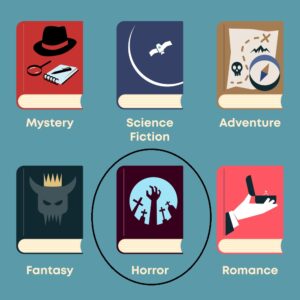
However, pure romance isn’t all there is to write about. There are so many genres to explore—horror, thrillers, fantasy, speculative, mystery, and science fiction—and with the African clime chock full of folktales, crazy superstitions and traditional beliefs, you cannot begin to imagine the epics that would come out of bending our rich reality into these genres.
Imagine reading an African novel (with the boldness and vibrancy that is characteristic of one) in a genre like magical realism. Bolu Babalola’s Love In Colour and Tomi Adeyemi’s Children of Blood and Bone are just a tip of the iceberg. A delicious tip.
Readers have different tastes, so though the poignant literary fiction common in African literature may appeal to a broader set of readers, those with specific tastes will be left behind when genre fiction is abandoned or left to the whimsical walls of Wattpad and Webnovel.
Horror In African Literature
I have a confession to make. Before now I did not know of horror in African literature. I knew I wanted to write horror, but I did not know of any African novel in the horror genre.
An embarrassingly quick Google search brought forth the name Nuzo Onoh as the Queen of African Horror. I am only just realising the brutal truth that I am not well-read, because with the Queen of African Horror came other writers who (although most of them only have elements of horror in their stories) have written horror and whose works I was oblivious to.
How do you set out to write African horror without reading African horror? Easy. Have a ‘can do’ mindset without a complementary ‘will learn from others’ mindset. My TBR list keeps growing, it is beginning to groan at night. Cue tired sigh.
Horror in African literature is still a relatively ‘new’ concept as African fiction is usually not genre fiction. Most African fiction address broad themes, including but not limited to independence, colonialism, feminism, culture and identity. However, themes are not genres. The average African writer writes about things that happen in the society and though these things are usually sad or horrifying stories featuring a nonfunctional government or attempts to escape poverty, they can hardly be classified as horror.
Maybe this is because African fiction started out as serious literature—every story written to correct a misconception about Africa and Africans, to demand we be taken seriously and to reclaim a culture that was eroded by subjugation.
After novels from writers like Chinua Achebe, Ngugi Wa Thiong’o, Mariama Ba, Flora Nwapa, and Buchi Emecheta came writers who rode on the wings of these novels (and their themes) though they added their own spin and modernity to it. Because of this, African fiction today has the flow and feel of those older works and refuses to fit into one genre. In a way, this is a protest, but alas change is a must and change we must.
Criticism Of The Horror Genre In African Literature
African Horror, though sparse, has been criticised for ‘reinforcing negative stereotypes’ like associating Africa with witchcraft, savagery and extreme superstition.
Some critics also believe that Africa has enough horrors to go round and including the paranormal like ghosts and witchcraft takes the focus away from the individual reality of the countries within the continent.
Here’s my take:
Any fictional work at any given time is at risk of reinforcing a stereotype. Not just horror. While fiction is not real life, it is work that aims to mirror real life and sometimes misunderstandings arise from this. If I see or imagine the people around me picking their nose while eating, I would write about it and it is left for the reader to understand that just because this happens in my immediate surroundings (or as fiction often is, in my made-up world) does not mean everyone from my country does or even believe in such an action. It is left for the reader to take the story as it is—a story—and not a journalistic or academic text.
Saying we shouldn’t write horror because people would believe we are witches and ritualists and shapeshifters is just like saying since the Japanese have their folktales then they must be a country rife with slit-mouthed ghouls ready to dice you into candy-sized pieces. Writing about these superstitions and folktales is a fun way to keep these stories alive because at the end of the day, we trade these stories between ourselves for a good scare, and that doesn’t mean we are somehow backwards for having them. I will tell my kids not to shout their names at night or answer when they hear a voice calling them if they are not sure of the caller. Call me whatever.
As for keeping the focus on the sad reality we face as a country, there is a large body of work already dedicated to these very real horrors. Not exercising our creative rights just because there are sad realities to face is pigeonholing ourselves into oblivion. Whether you like it or not, fiction is an escape for many people. Proponents of this criticism might as well demand that our literature remains serious and journalistic and that fiction be banned because we have too much going on in the country.
Yes, it is exactly as ridiculous as it sounds.
There’d always be critics though, so we would not dwell on that, but there’d also always be work that has gone before. There is nothing new under this sun—even in the malnourished space that is African Horror. For this reason, I have put together a list of good African fiction with ‘elements of horror in them’ like my literature friend, Kashamadupe (Litwiz), says.
Apart from Nuzo Onoh’s works, some of these are really more of surrealism or fantasy and just skirt around the edges of horror, but we’re working with what we have. For all my horror lovers, you are welcome. Hold body with these ones before I start giving you back to back chills with my very own African Horror. For those who are new to the genre, maybe read these works in the daytime and plead the blood of Jesus (or your preferred godhead) over your life at night.
Without further ado, here’s
10 African Horror Fiction You Should Read This Year
- Womb City by Tlotlo Tsamasse (2024)
- Where the Dead Brides Gather by Nuzo Onoh (2024)
- Freshwater by Akwaeke Emezi (2018)
- The Sleepless by Nuzo Onoh (2016)
- Unhallowed Graves by Nuzo Onoh (2015)
- The Reluctant Dead by Nuzo Onoh (2014)
- Who Fears Death by Nnedi Okorafor (2010)
- The Famished Road by Ben Okri (1991)
- My Life in the Bush of Ghosts by Amos Tutuola (1954)
- The Palm-Wine Drinkard by Amos Tutuola (1952)
***
Finally, I’d like to repeat that there is a ton of genres waiting for the uniqueness of the African voice and lovers of these genres would be delighted to read these works.
With our ever-expanding pool of creative minds, there is room for specificity (genre fiction) and exploration (genre fiction!😁) in the African fiction industry. Horror is one such path that could, and should, be explored.
Meet me in the comments section or catch me on Tuesday! Either way, have a splendid weekend.

